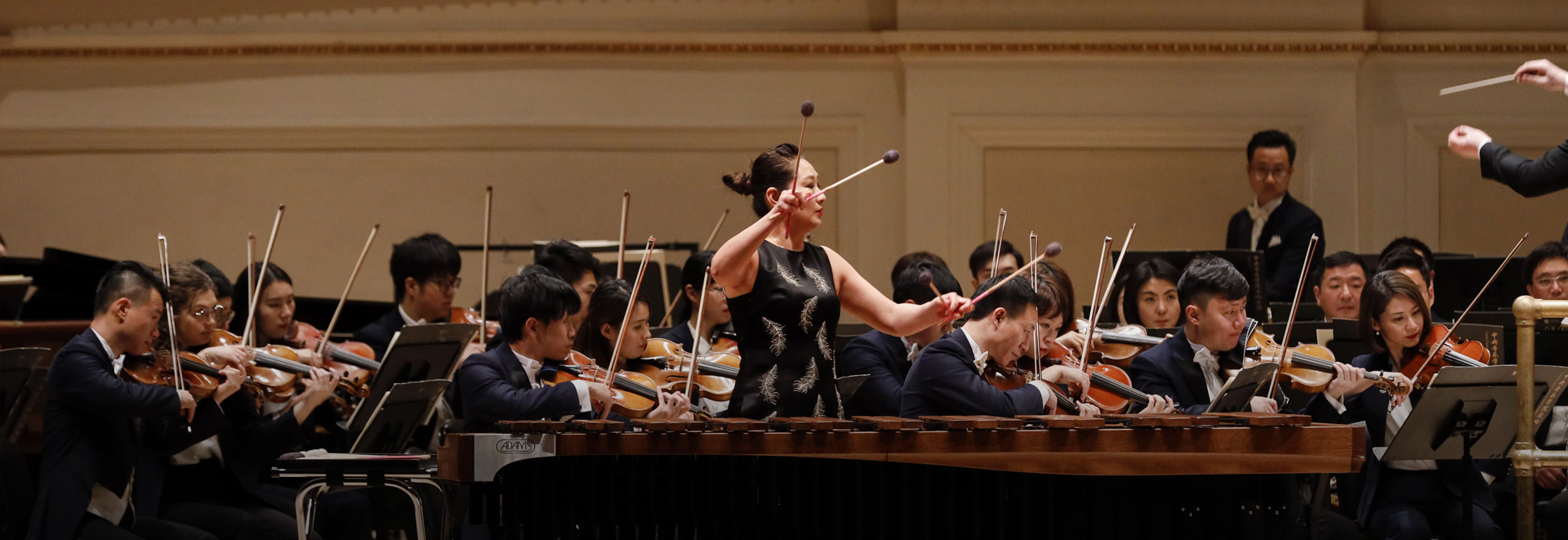
On the evening of November 30, 2025 (local time), the 2025 International Competition for Young Composers (ICYC) concluded successfully at the MuTh Concert Hall in Vienna. The event was jointly organized by the Central Conservatory of Music (CCOM), Universal Edition (UE), and the University of Music and Performing Arts Vienna (the mdw).
Initiated and hosted by CCOM, the competition is open to young composers worldwide. Its mission is to offer a broad platform for talented musicians under 35 to showcase their creativity in composition and to foster cross-cultural musical communication and people-to-people exchange. Held biennially, the competition alternates between chamber music and orchestral formats. The 2025 inaugural edition featured a mixed chamber music format.
A total of 90 compositions from countries including China, Germany, the United States, Italy, Brazil, Croatia, Peru, and Singapore were submitted. The preliminary jury consisted of Jia Guoping, Dong Liqiang, and Yao Chen from CCOM, along with Judit Varga and Wolfgang Suppan from Austria. After a rigorous evaluation, 12 works were selected for the semifinals.
Notably, CCOM demonstrated exceptional academic rigor and respect for the composers during the semifinals. To allow the jury to more accurately assess the sonic effect of the scores, the Conservatory organized professional musicians to perform and record all 12 semifinalist works, which was an uncommon practice in international competitions of the same kind. This approach aimed to minimize potential misjudgment resulting from paper-based evaluation and ensure that every creative spark could be fully heard. Ultimately, six works advanced to the finals.
At the grand final concert, the six works were performed by musicians of CCOM, following an order determined by drawing lots. An international jury comprising Qin Wenchen, Michael Jarrell, Konstantia Gourzi, Hao Weiya, and Victoria Borisova-Ollas conducted a rigorous evaluation of the finalists.
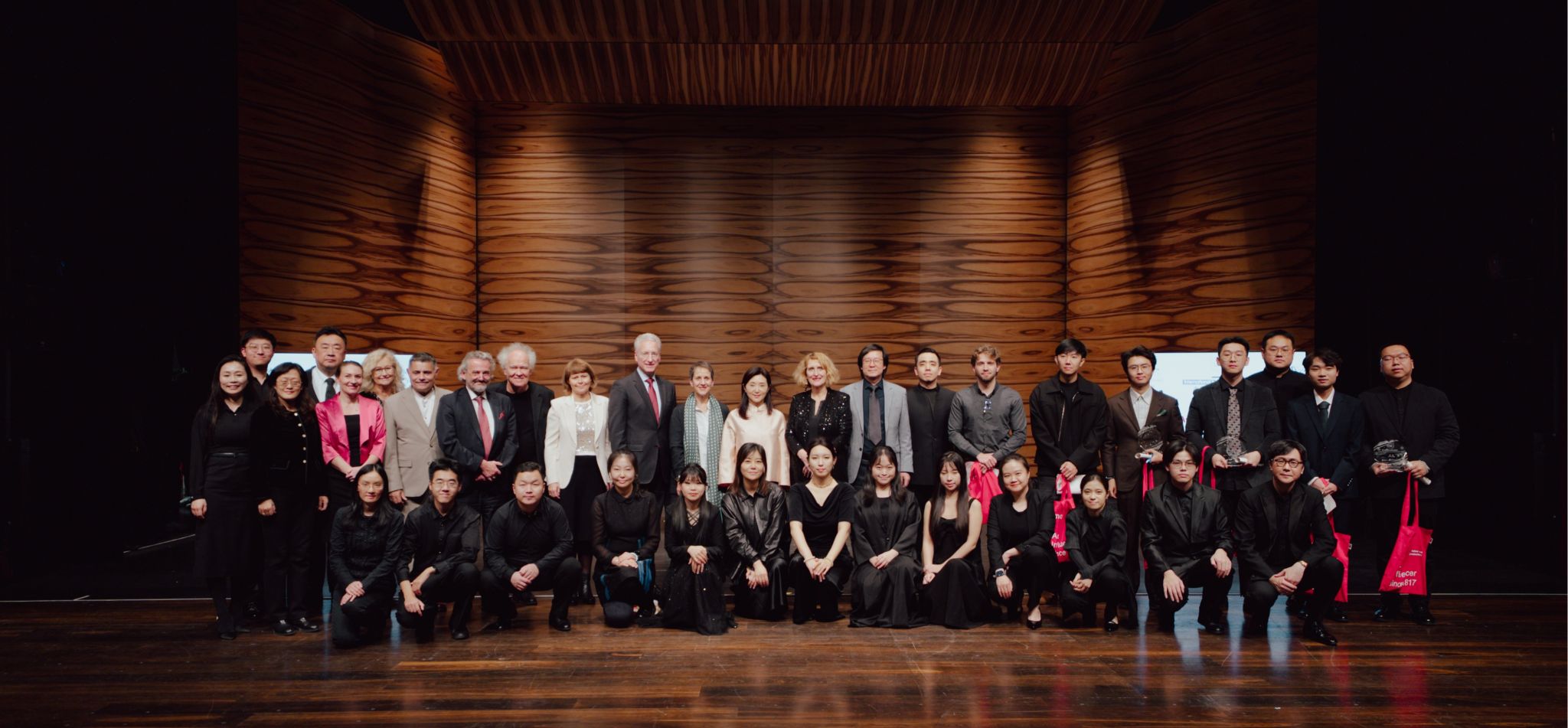
First prize went to Yao Jiaxu’s Fleeting Scenes in Time’s Current (CCOM), with Zhang Hanyu’s When the Sound Ceases, Do the Ripples of the Heart Grow Louder? (Xinghai Conservatory of Music), and Liu Bingkai’s The Spacetime Mandala (Tianjin Conservatory of Music) taking second and third places. The three top winners received prize money of €10,000, €5,000, and €3,000 respectively. Mao Yuxuan’s Primordial Migrations (CCOM), Xu Chenxuan’s Crimson Frosted Forest (CCOM), and Thomas Pennisi’s Sonus/lumen (Italy) received the Finalist Award. The scores of the six finalists will be published by the Austrian publisher Universal Edition.
The jury members spoke highly of this year’s competition. Both Konstantia Gourzi and Victoria Borisova-Ollas noted the impressive quality of the finalists and praised the competition’s excellent organization. Gourzi remarked that the presence of Chinese instruments in the works was welcome, encouraging composers to integrate their cultural backgrounds with Western traditions. Borisova-Ollas commented that several works displayed strong philosophical grounding, which she found particularly gratifying. She also believed that while technical skill is important, a composer must remain closely connected to the audience.
Qin Wenchen and Hao Weiya praised the musicians for their brilliant performances and emphasized the significance of such a competition. Hosted by CCOM in partnership with world-class institutions, this international competition aims to promote cultural dialogue between China and the world. They noted that the event is expected to attract even more young composers at home and abroad as its influence grows, ultimately becoming a major international platform for emerging musical talents under the efforts of the host. Qin added that the competition demonstrated the strong momentum of CCOM in the teaching of both composition and performance. Hao stressed that fairness and impartiality were upheld by all organizers. The organizing committee selected judges worldwide to ensure a balanced representation of diverse cultural backgrounds and trusted each judge to conduct independent assessments based solely on artistic quality. Michael Jarrell noted that the event not only embodied cultural dialogue and integration but also provided a vital platform for young composers. He emphasized that music should inspire young artists to reflect on who they are and what future they seek.
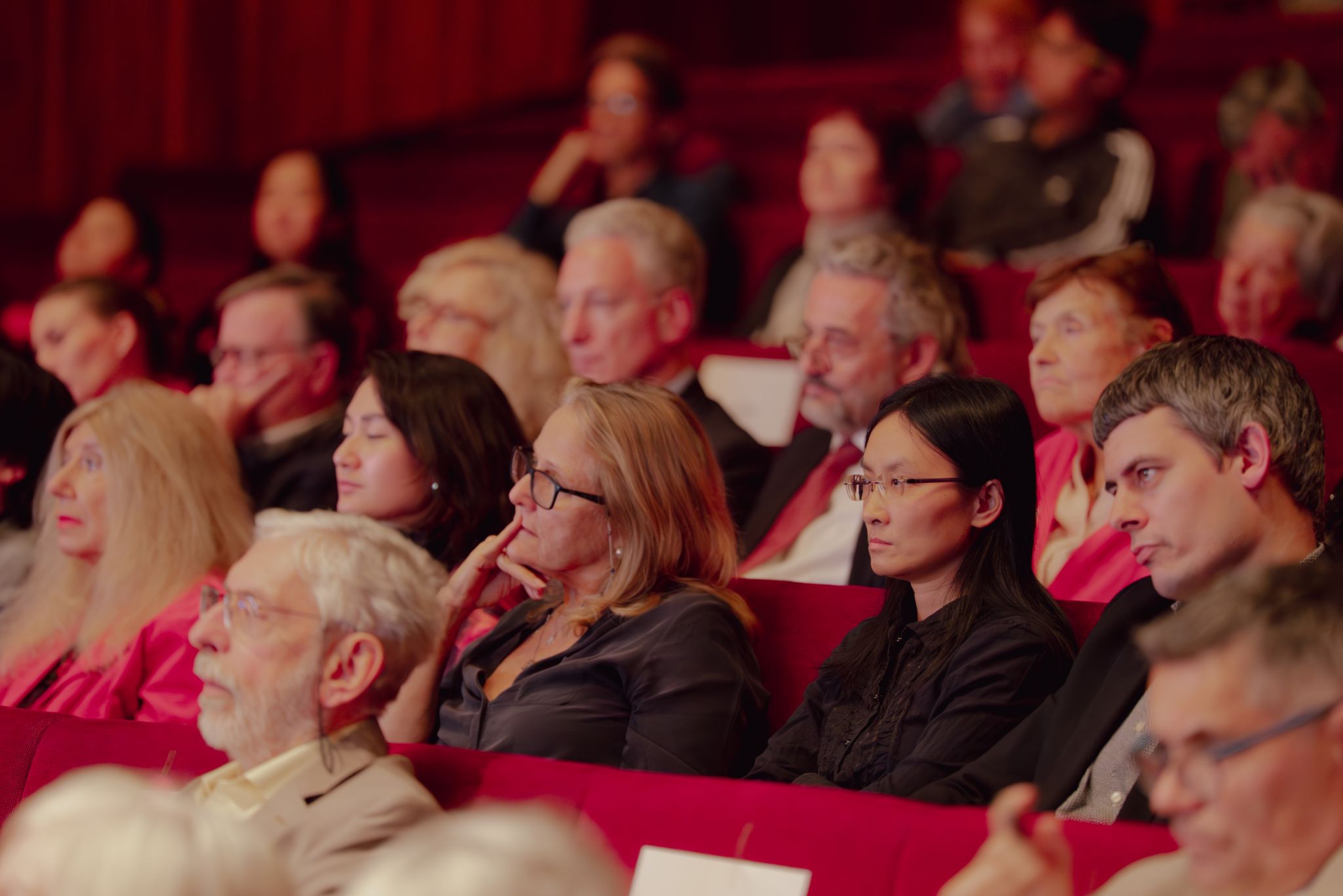
Hundreds of professionals from Vienna attended the grand final concert and award ceremony. Professor Yu Hongmei, President of CCOM, Mr. Stefan Ragg, Managing Director of UE, and Ms. Ulrike Sych, Rector of the mdw, presented the trophies and certificates to the First, Second, and Third Prize winners. The judges awarded certificates to the Finalist Award recipients.
In her remarks, President Yu Hongmei expressed strong appreciation for the competition. She remarked that the competition entries revealed the talent and exploratory spirit of today’s young composers in advancing musical innovation, and reflected the way global contemporary music is absorbing and blending diverse influences. She described the competition as a bridge of friendship, where a growing number of outstanding composers, works, and performances can shine on this open and inclusive stage. She also expressed hope for continued mutual learning and blending among diverse musical cultures, contributing to the shared future of humanity. Vice President Qin Wenchen thanked the organizing committee for its meticulous work and shared his expectations for the competition’s future. Amid warm applause and cheers, the 2025 International Competition for Young Composers came to a successful close.
The competition was only part of the CCOM delegation’s visit to Vienna. During the event period, President Yu Hongmei led the delegation in a series of intensive academic exchanges aimed at deepening diversified collaboration between China and Austria in music.
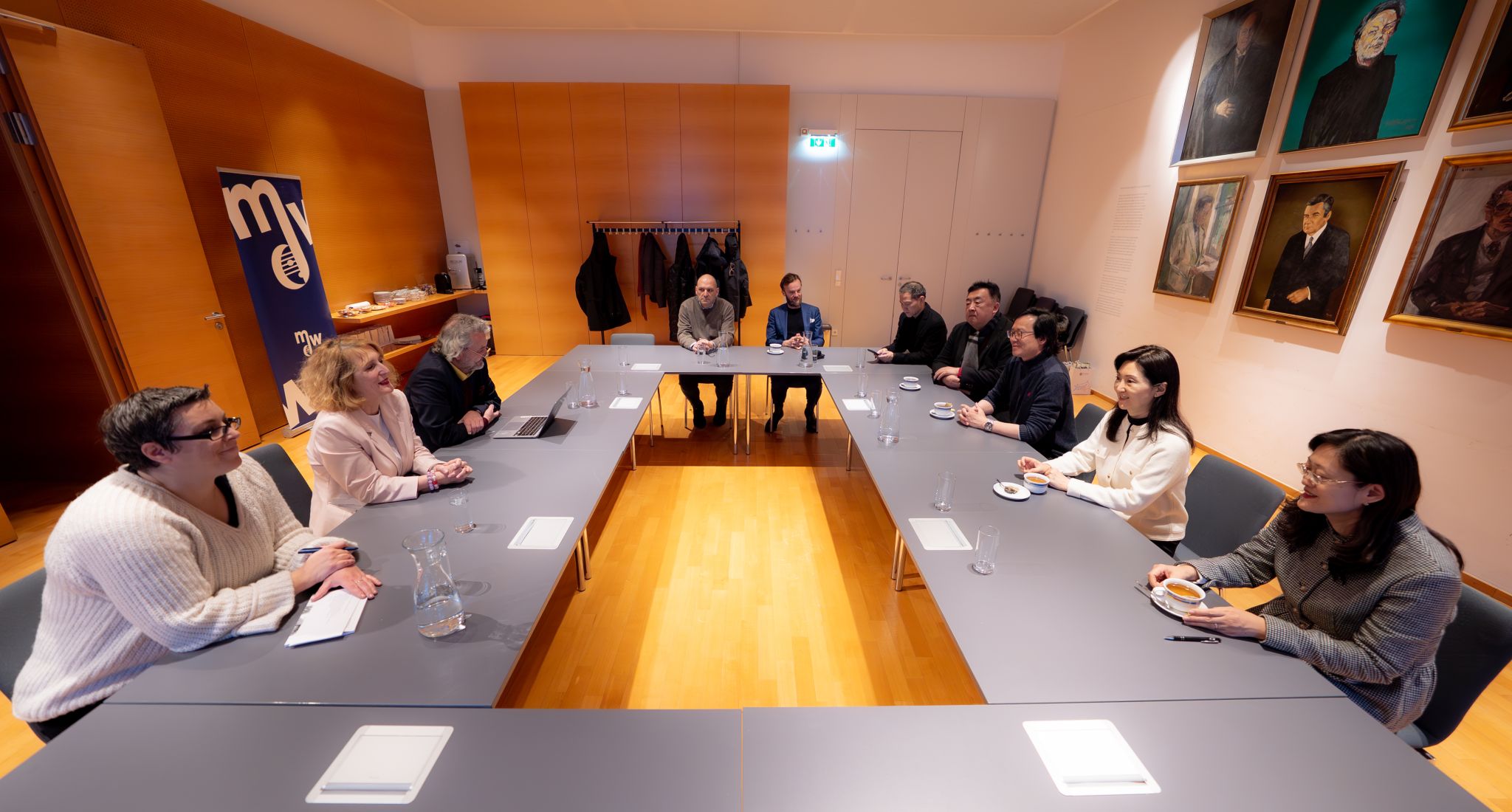
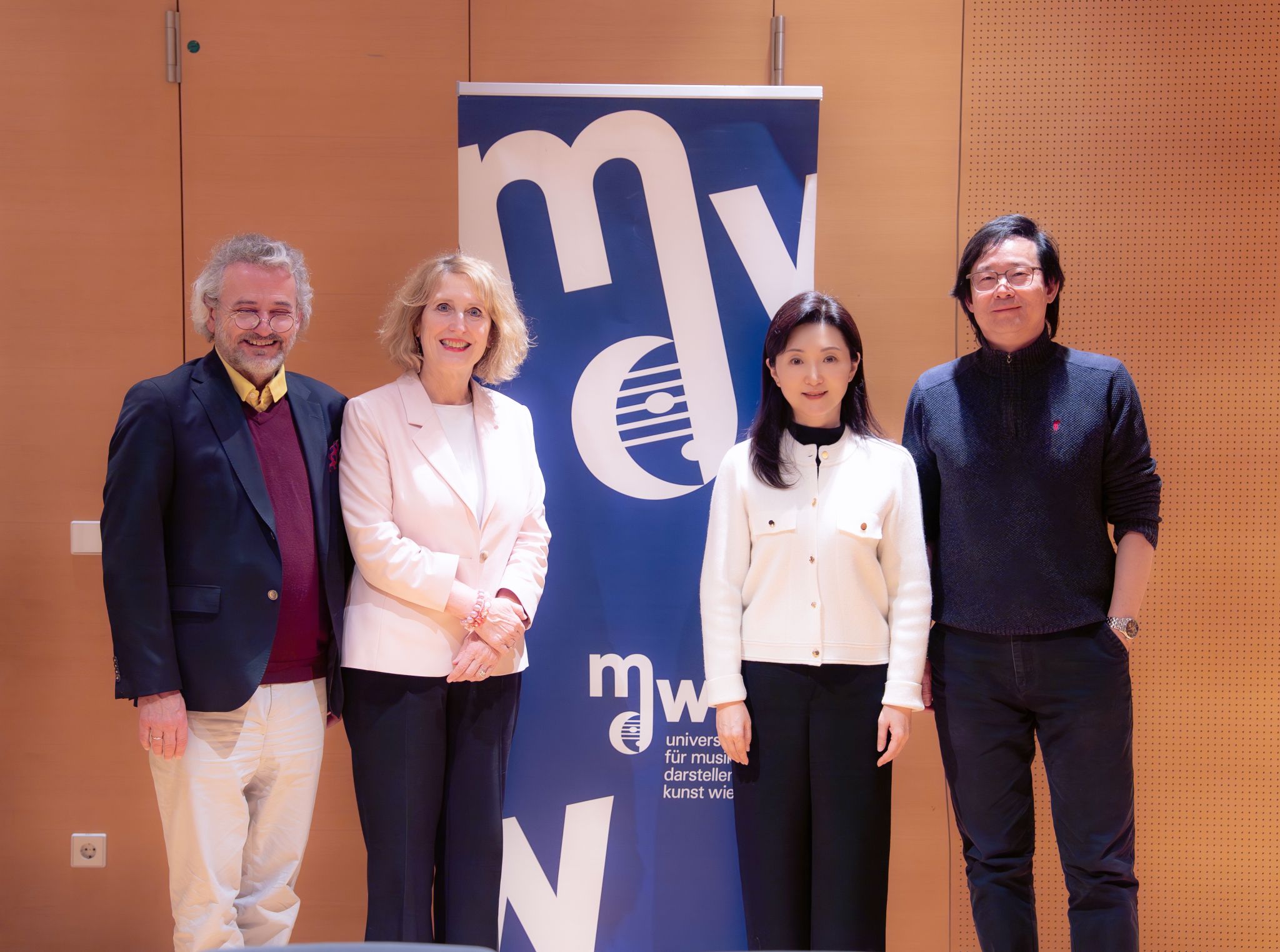
On the afternoon of November 28, President Yu Hongmei visited the mdw with her delegation, where they were warmly received by Rector Ulrike Sych and Vice Rector Johannes Meissl. Leaders of the two top music institutions held productive discussions on multiple collaborative initiatives. They explored possibilities of student and scholar exchanges, educational resources sharing, and other talent-fostering programs. Both sides agreed to create opportunities for European music students and faculty to learn about traditional Chinese instruments and Chinese musical culture. They also reached consensus on multiple items about continuing their joint efforts in hosting and promoting high-quality composition competitions.
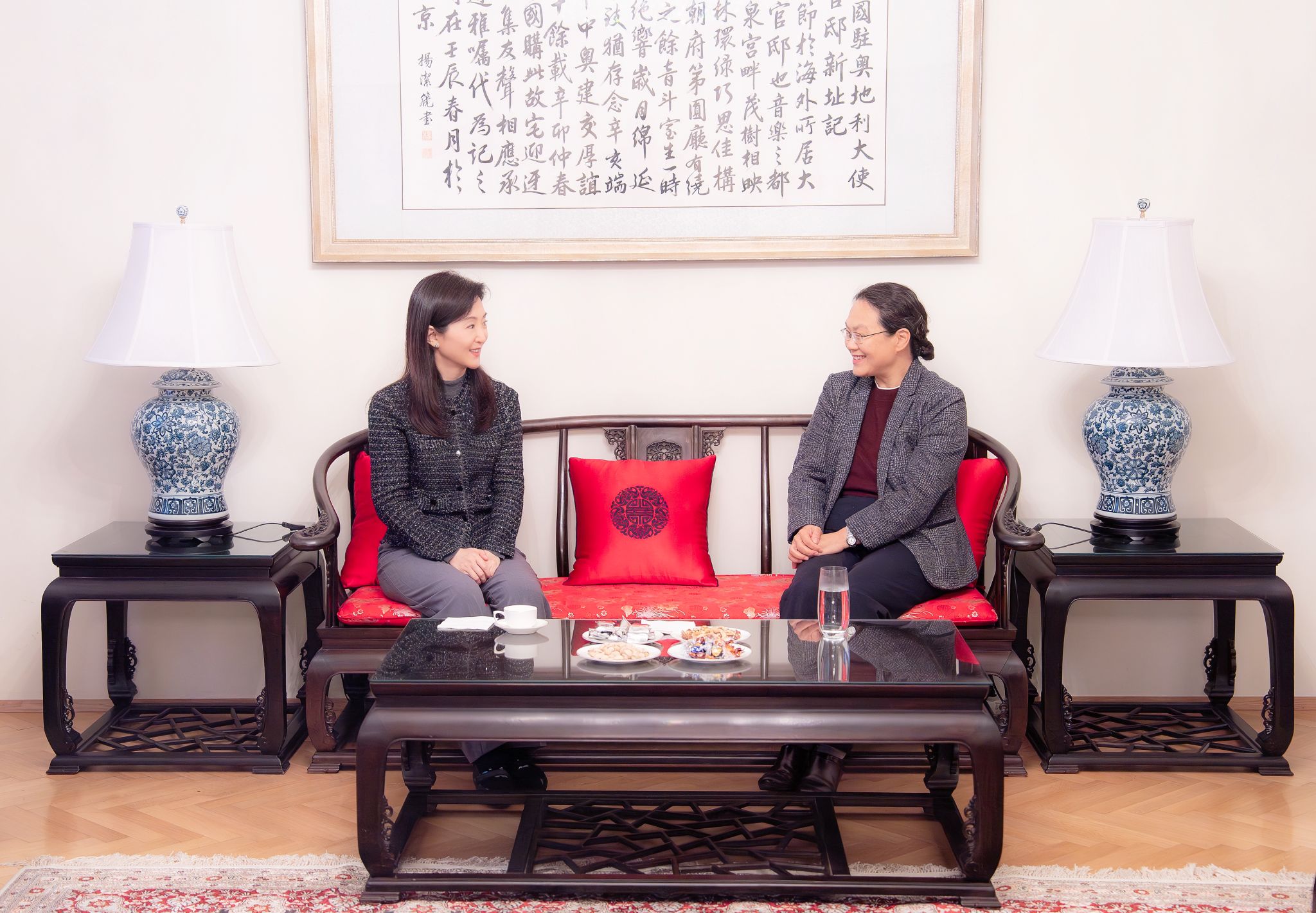
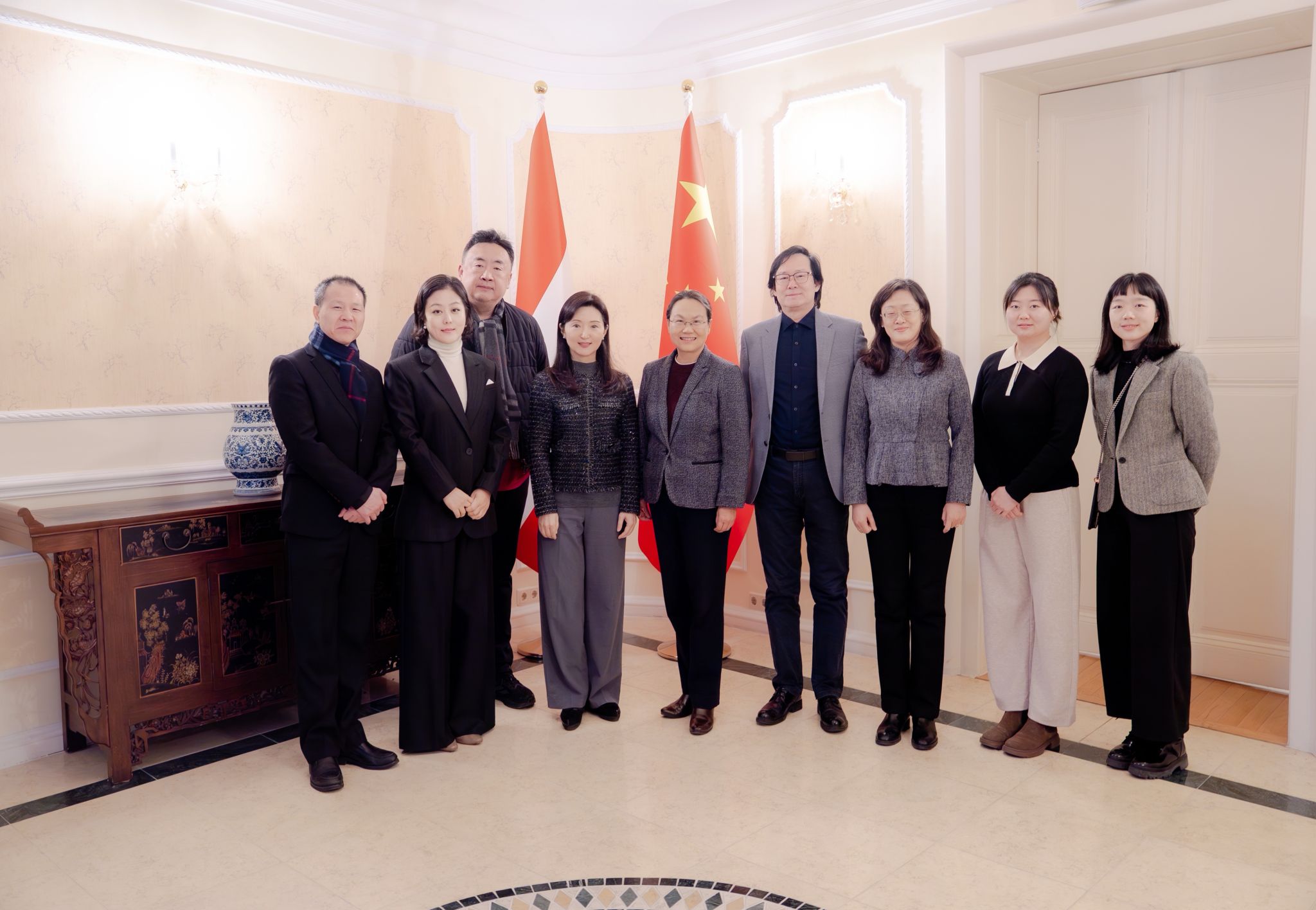
On the afternoon of November 29, President Yu and her delegation also met with Qi Mei, Ambassador Extraordinary and Plenipotentiary of the People’s Republic of China to the Republic of Austria. Ambassador Qi praised CCOM for serving as a bridgehead in China-Austria cultural exchange in recent years. She expressed hope that CCOM would continue presenting high-level musical events and further contribute to bilateral musical interaction and friendship.
President Yu emphasized that CCOM’s musical exchange with Vienna was multidimensional and deeply rooted. Through a rich array of activities, including performances, publications, talent cultivation, and competitions, it has showcased the high level of development currently achieved by Chinese music and given Austrian counterparts a fuller, more in-depth understanding of its progress. She added that CCOM aimed not only to “go global” but also to “integrate globally.” Music, she said, is the most beautiful language that transcends cultural boundaries; great music connects hearts and enhances mutual cultural understanding. She stressed CCOM would continue to bring its finest music to the people of Austria.
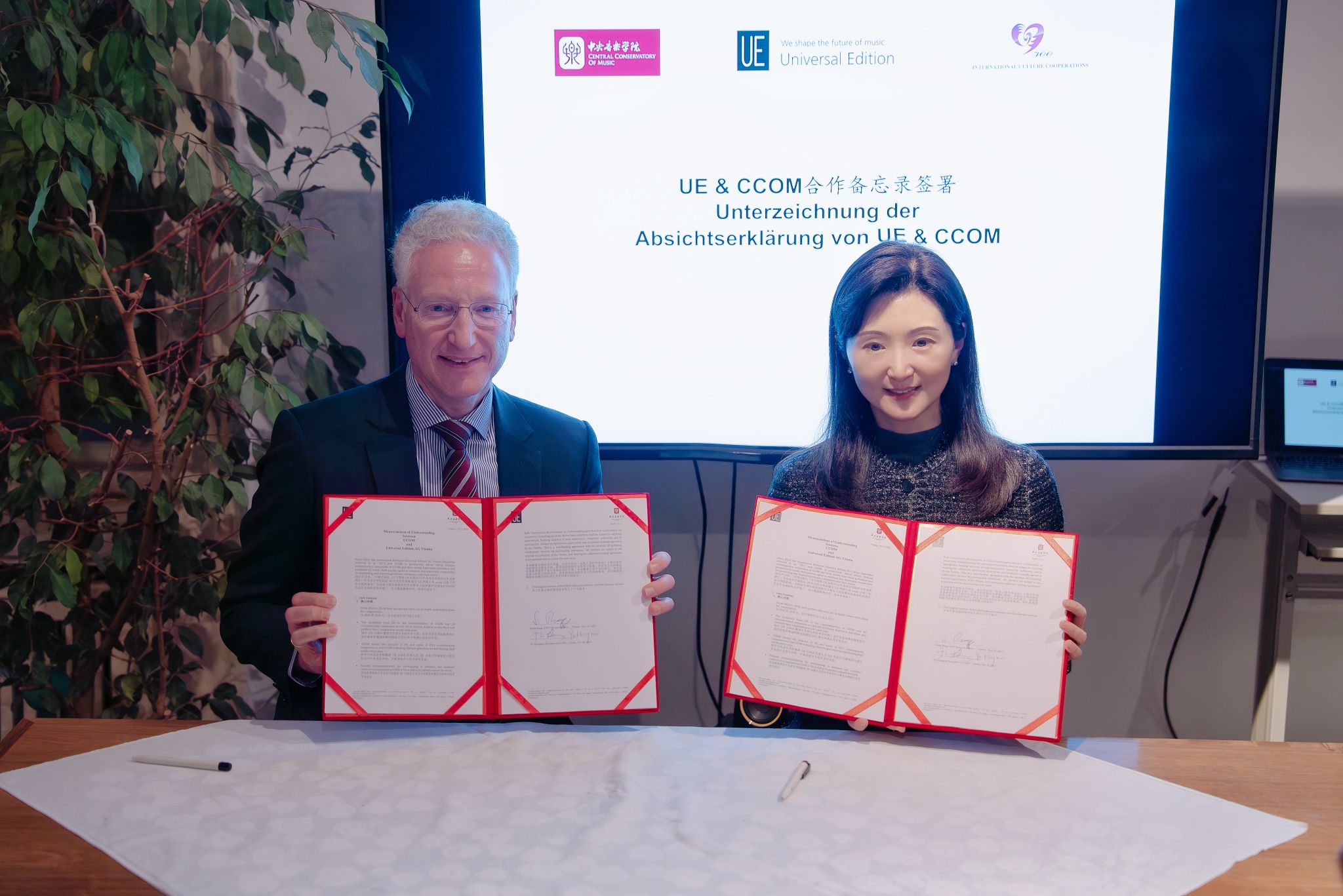
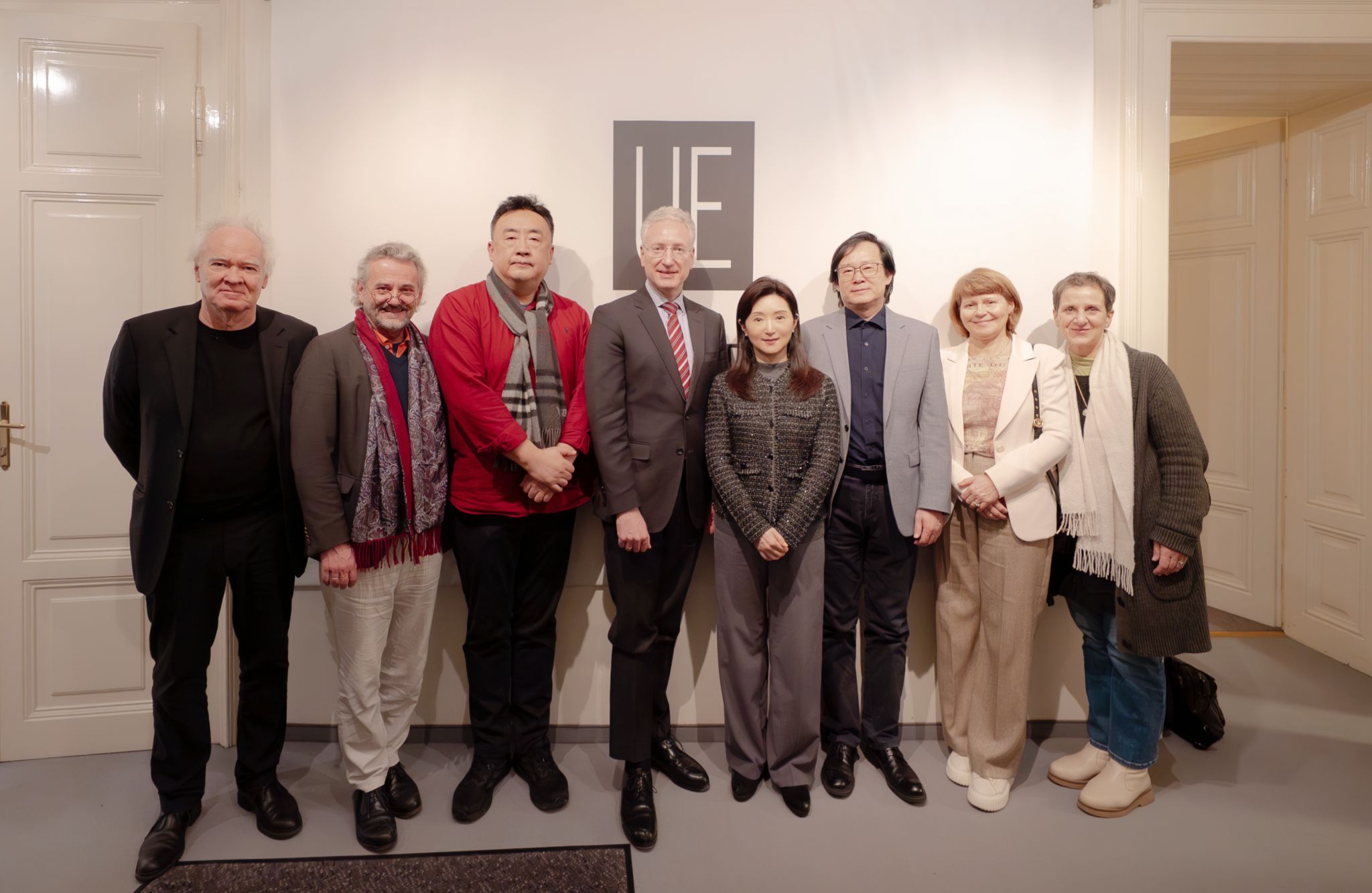
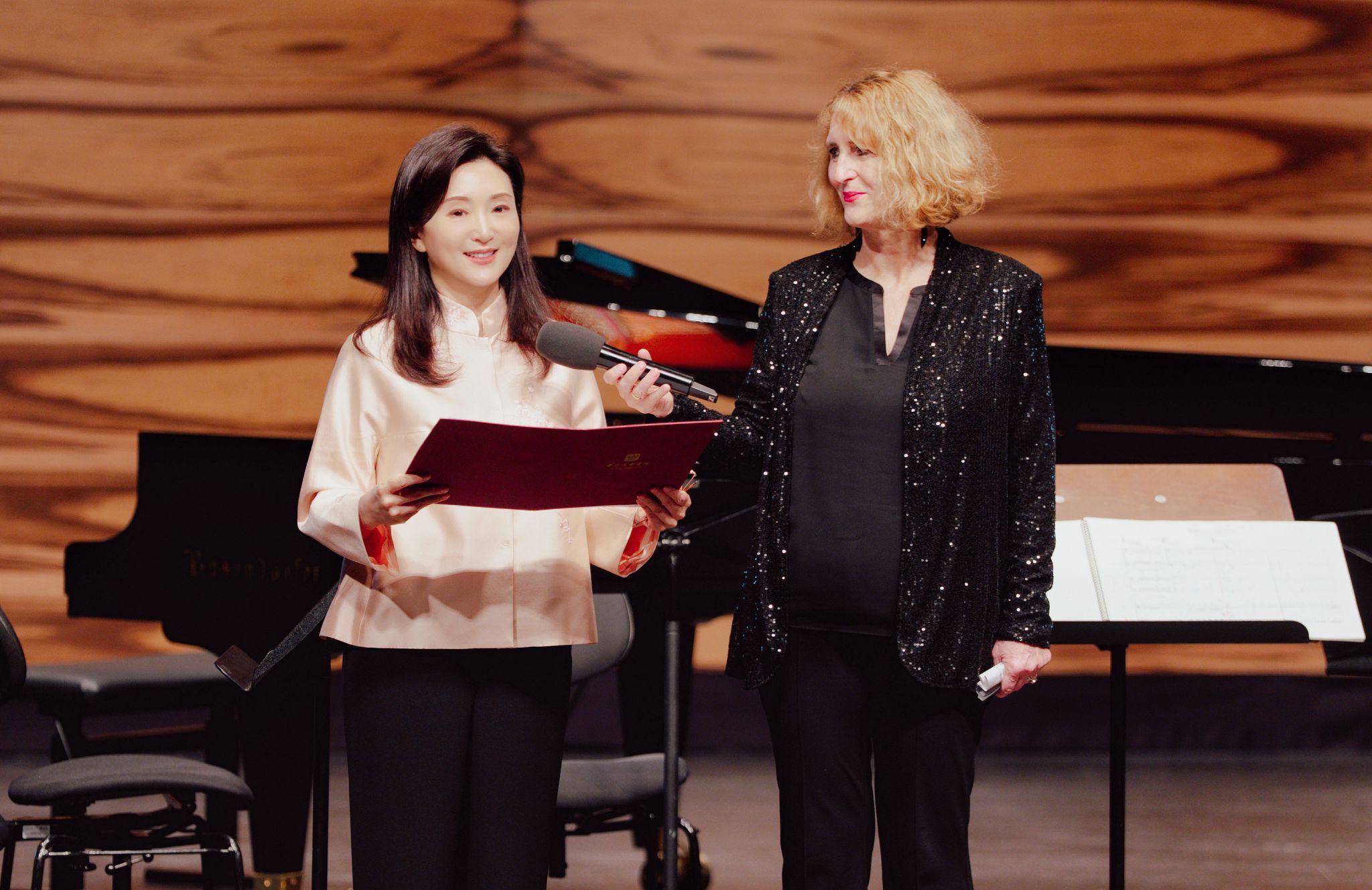
Following the meeting with Ambassador Qi, President Yu Hongmei led the delegation to the headquarters of Universal Edition in central Vienna for further academic exchange. In her opening remarks, she stated that CCOM attached great importance to the international dissemination of Chinese music and was committed to promoting the global development of contemporary Chinese compositions. The fruitful cooperation with Universal Edition, including the publication of digital scores by CCOM composers, showcased the unique charm of contemporary Chinese music and expanded its presence on the international stage, ushering in a new chapter of China-Austria musical dialogue. UE Managing Director Stefan Ragg expressed his enthusiasm, noting that the partnership built a bridge of friendship between Vienna and Beijing, with vast potential for future collaboration.
The successful hosting of the 2025 International Competition for Young Composers in Vienna, together with the series of academic exchange, highlights CCOM’s active role and notable achievements in promoting international musical exchange and bringing contemporary Chinese music onto the global stage. Through deep collaboration in competitions, performances, publications, and talent development, a new bridge has been built for China-Europe musical and cultural exchange. As President Yu Hongmei remarked, music is the finest language for connecting hearts. CCOM will continue working with world-class partners to create platforms for musical talents worldwide, using beautiful musical expression to transcend cultural boundaries, foster mutual understanding among civilizations, and contribute to a flourishing global musical culture.